
Why does Puchegüín need protection?
Puchegüín is a place of exceptional natural and cultural value – for Chile and the world at large.
For decades, Puchegüín was at risk. Its ecosystem and communities faced pressure from industrial and real-estate projects, land subdivision, unregulated tourism, and more. In 2022, the land was listed for sale, raising concern amongst the local community, scientists, and organizations like Puelo Patagonia that had long worked to protect the Cochamó region.
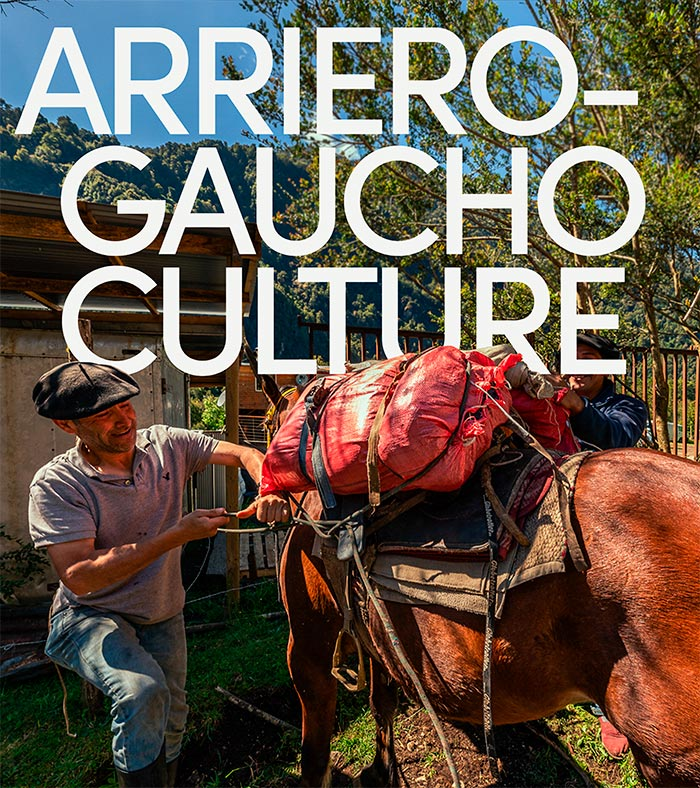
But thanks to the support of thousands of people around the world, we successfully purchased Puchegüín in December 2025. With the land secured, we are now working to safeguard this place forever, protecting its natural ecosystems while supporting its communities, culture, and ways of life.
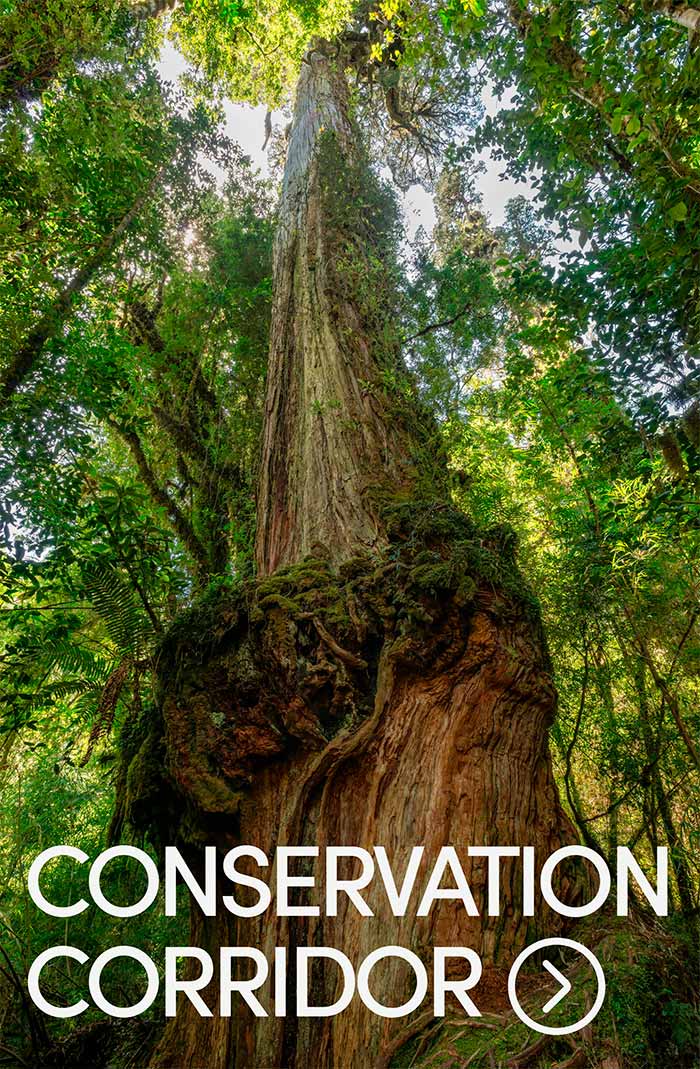
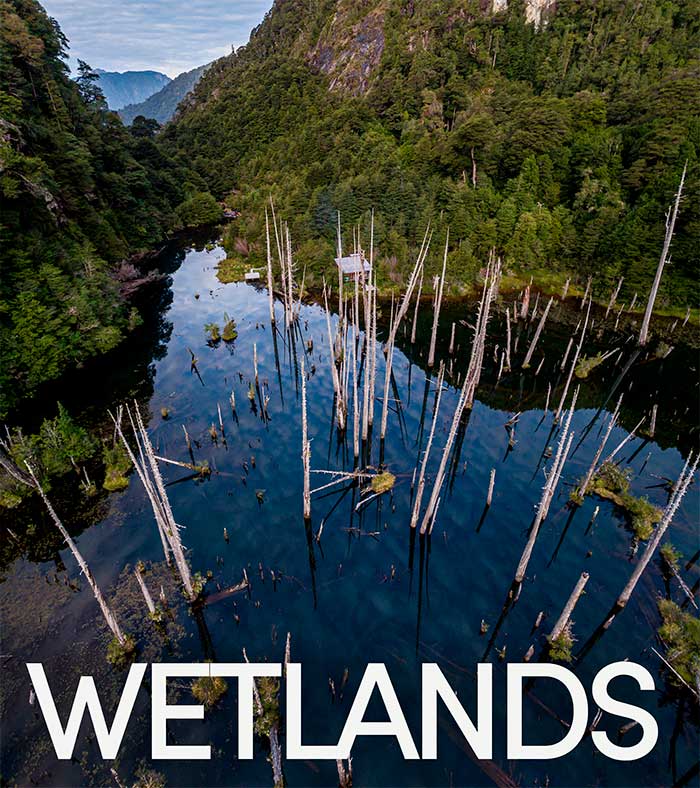
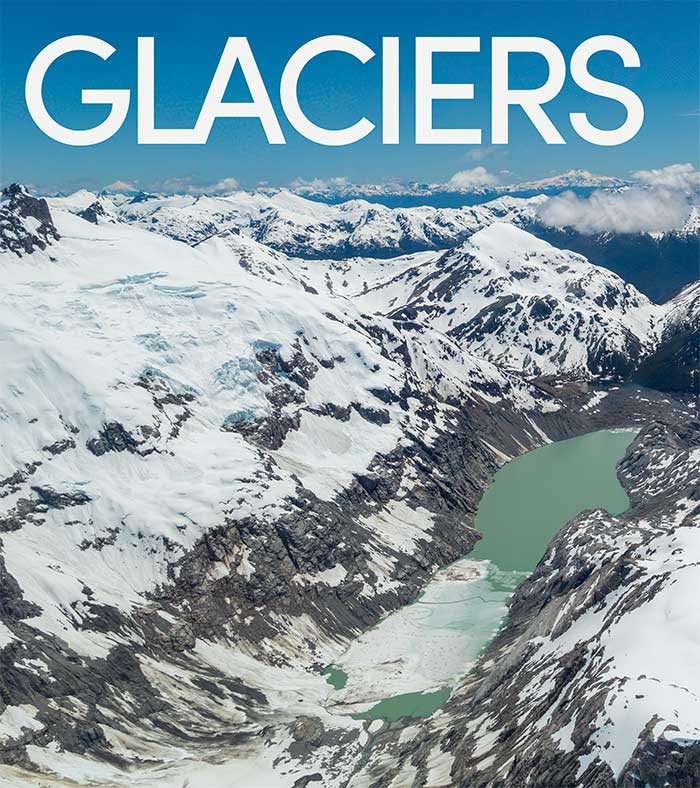
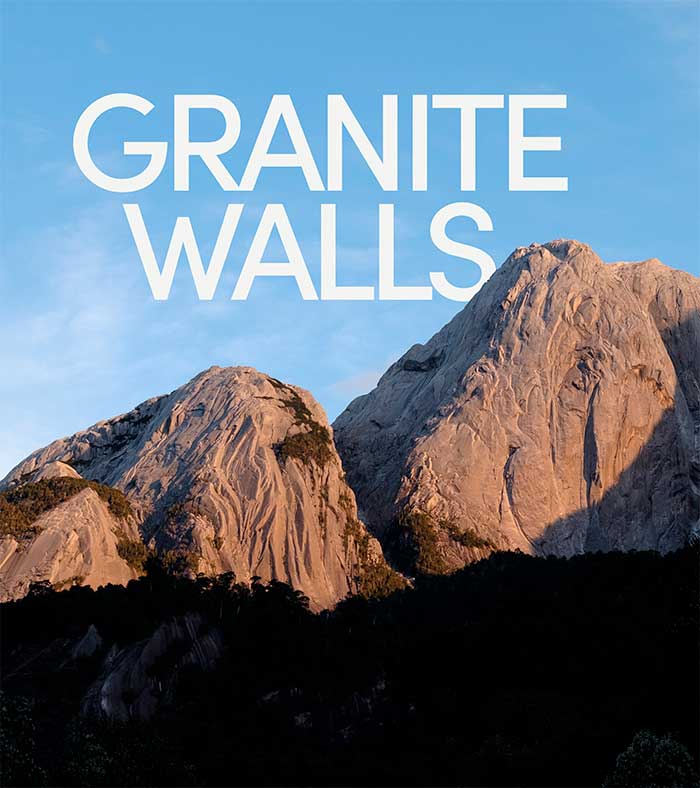
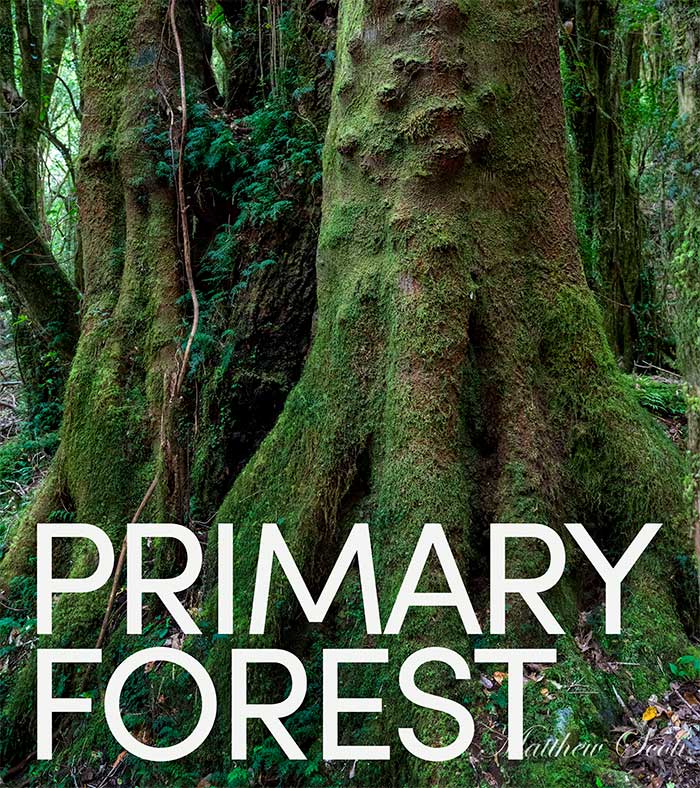
Surrounded by a nearly 1,630,000-hectares contiguous landscape of protected areas across Chile and Argentina, the Puchegüín property is a key piece in Patagonia’s conservation puzzle. Securing its permanent protection helps create one of Latin America’s largest biological corridors, connecting fragmented habitats and allowing for the free movement of wildlife across protected landscapes.

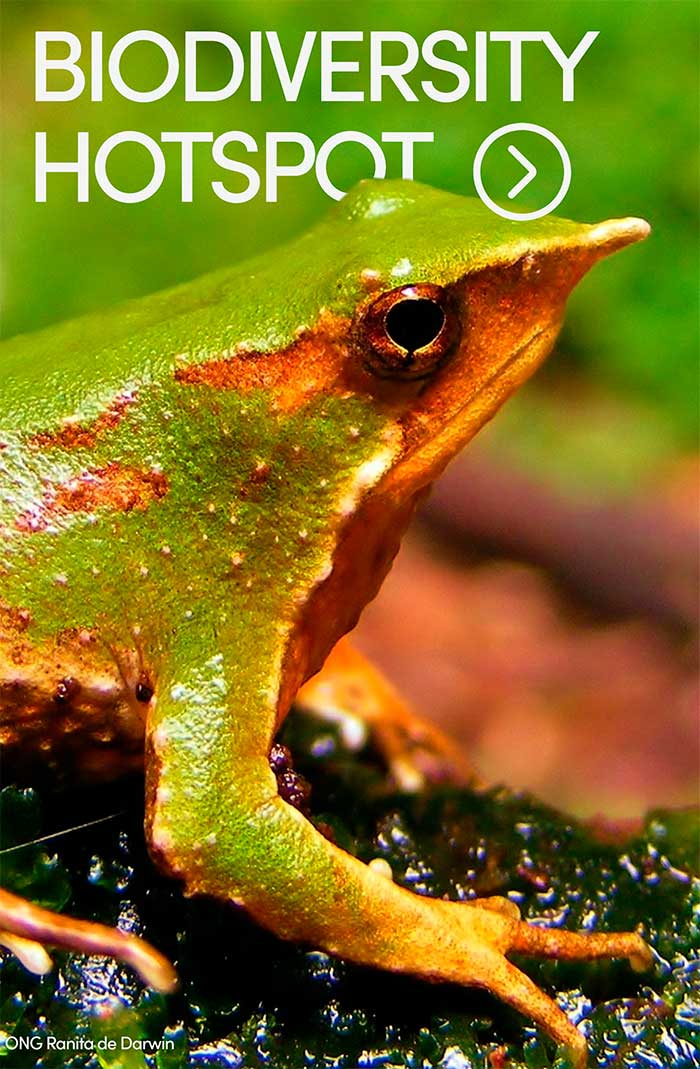
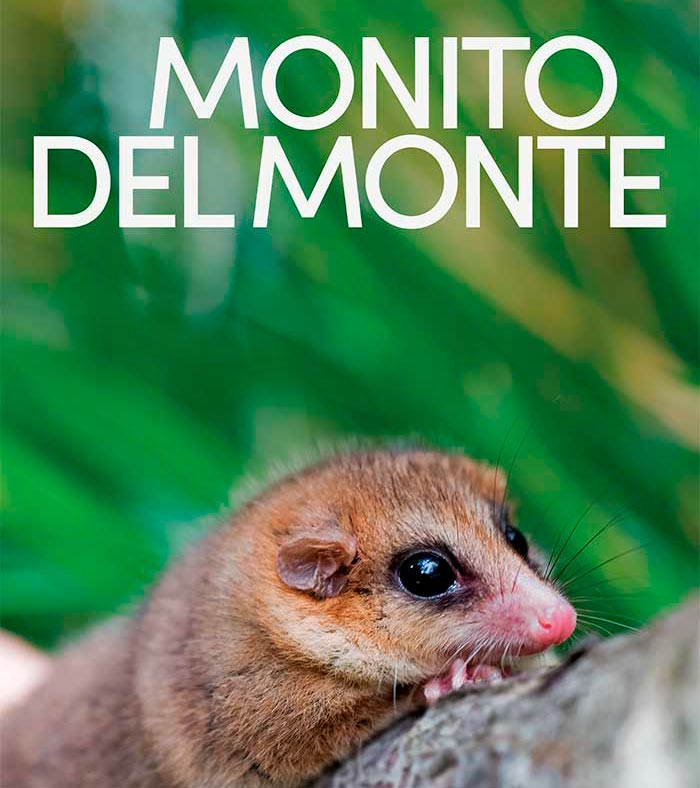
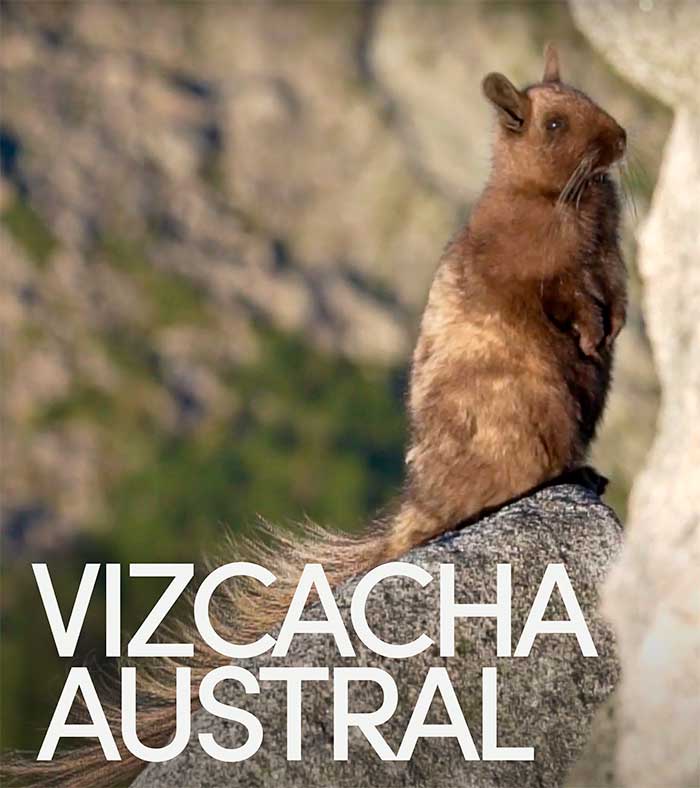
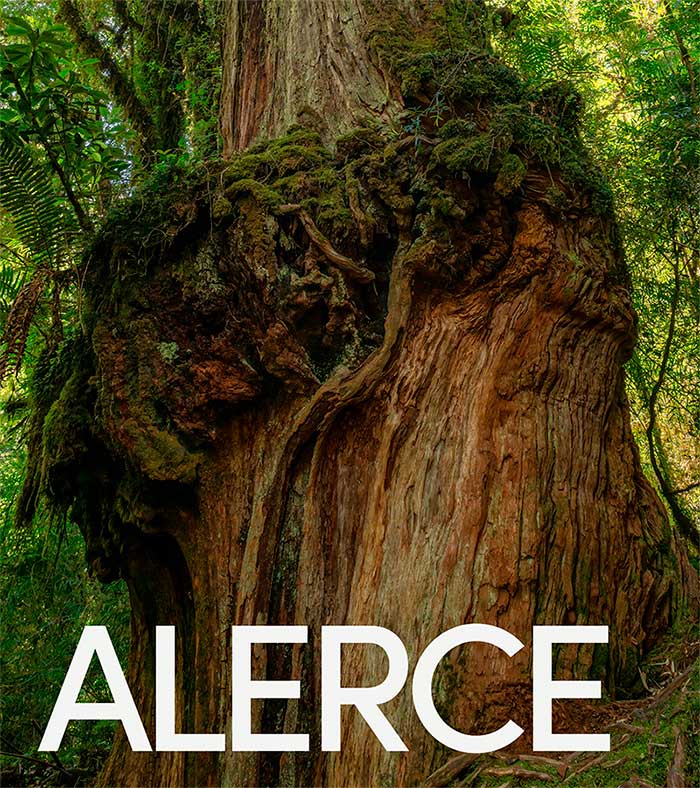
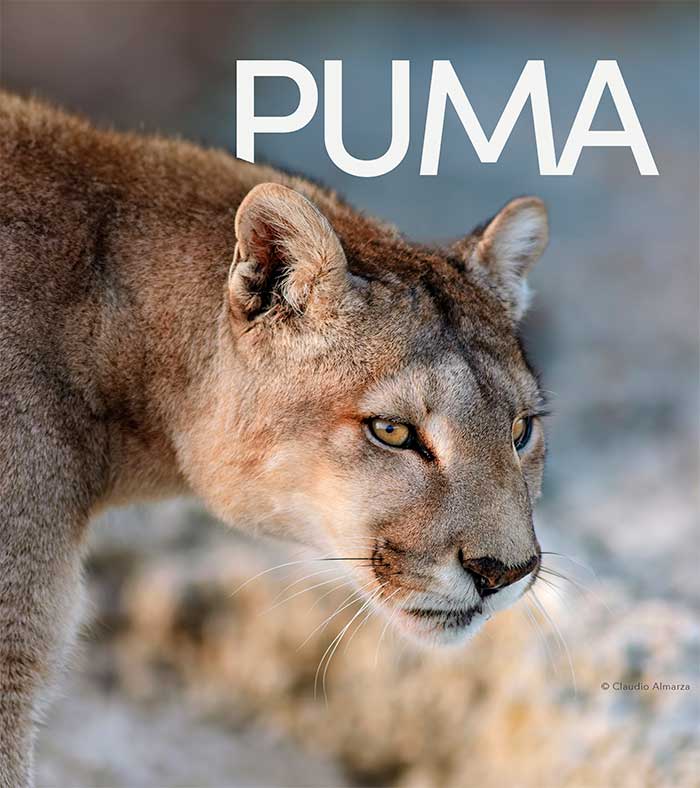
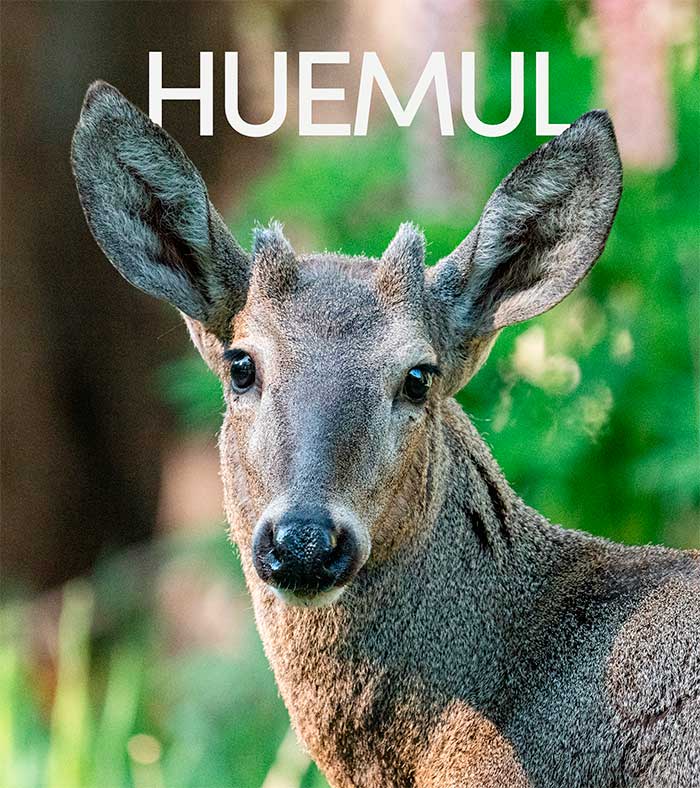
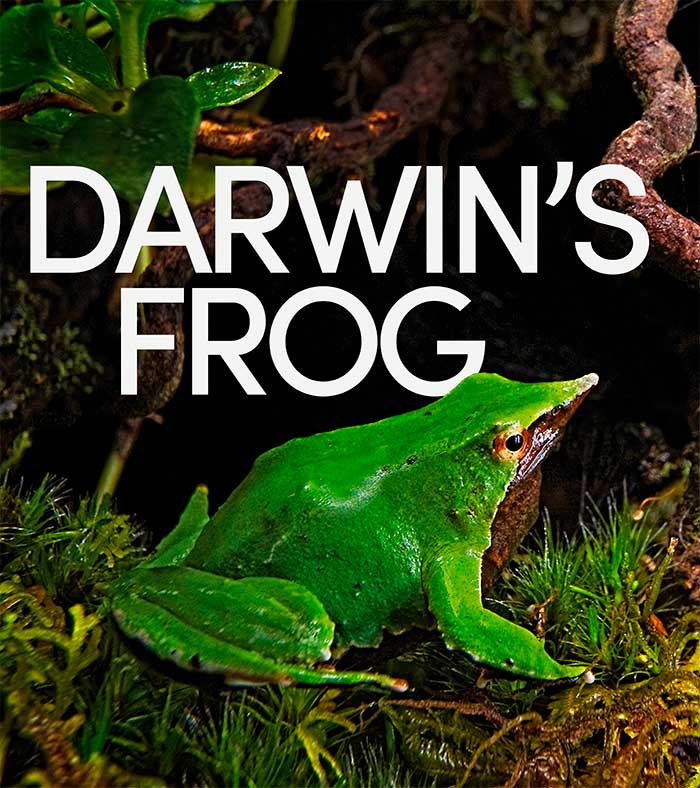
Puchegüín provides critical habitat for endemic and endangered species, including huemul deer, Wolffsohn’s viscacha, Darwin’s frog, and monito del monte – one of South America’s only marsupials. The Cochamó region also includes over 17,000 hectares, or 10% of the Chilean population, of alerce trees, known to be some of the oldest trees on earth.