
After a period of local and international fundraising, Conserva Puchegüín announces next steps in creating 328,000-plus-acre protected area in Chile
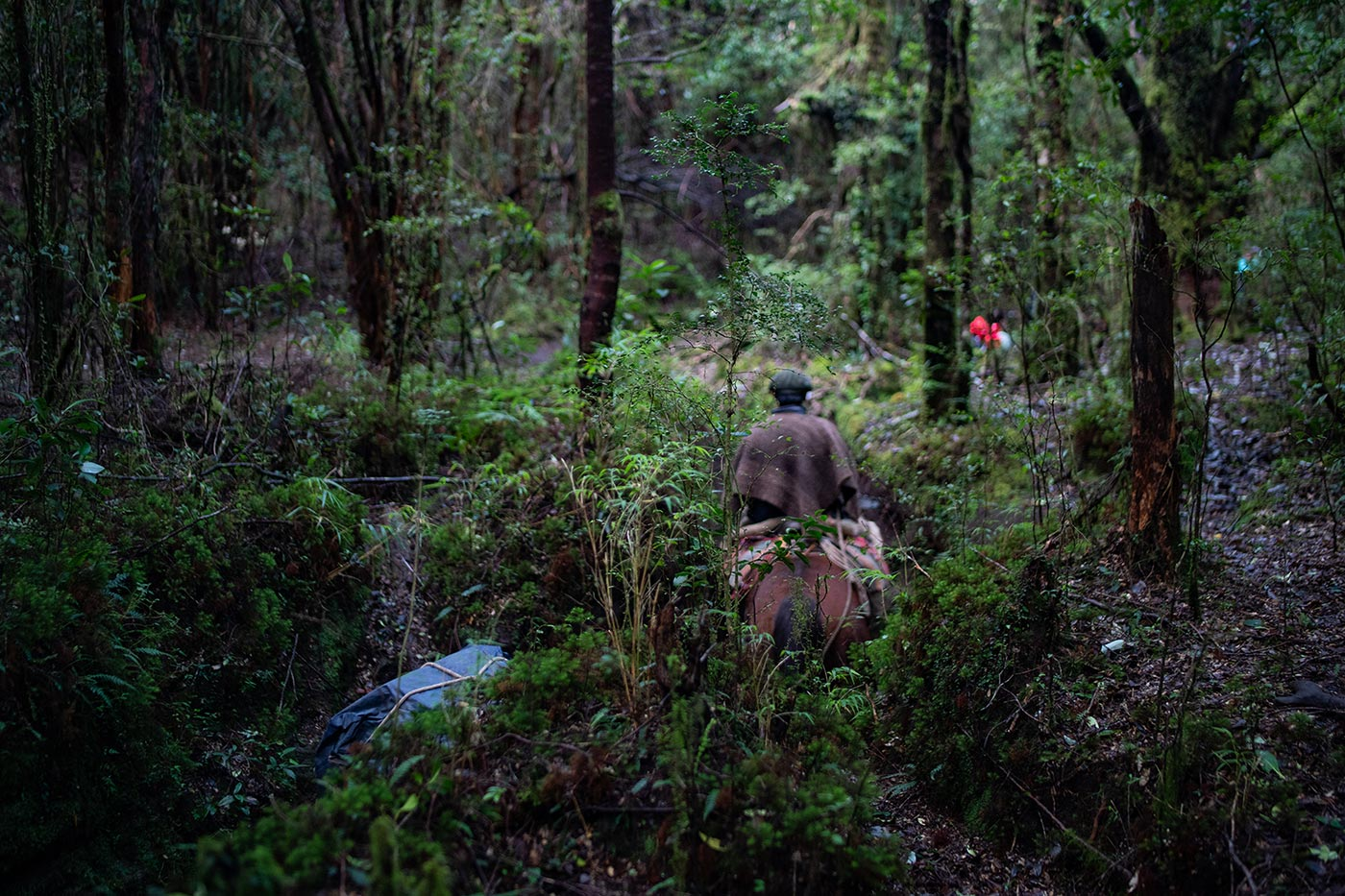
CREDITS: VALENTINA THENOUX
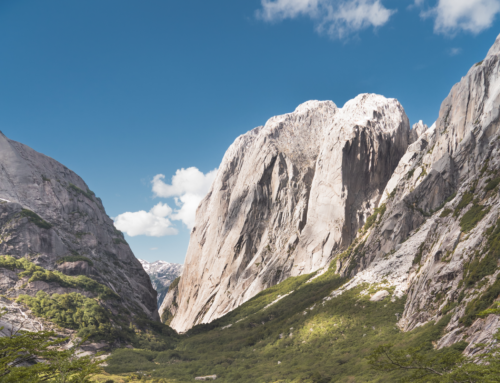
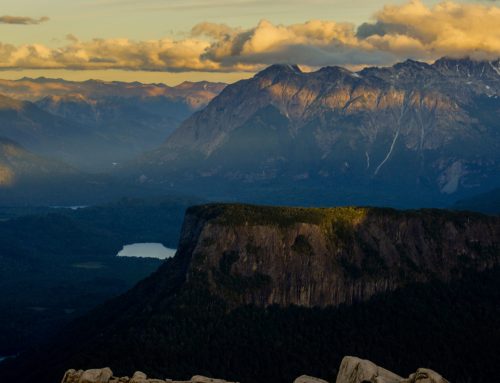
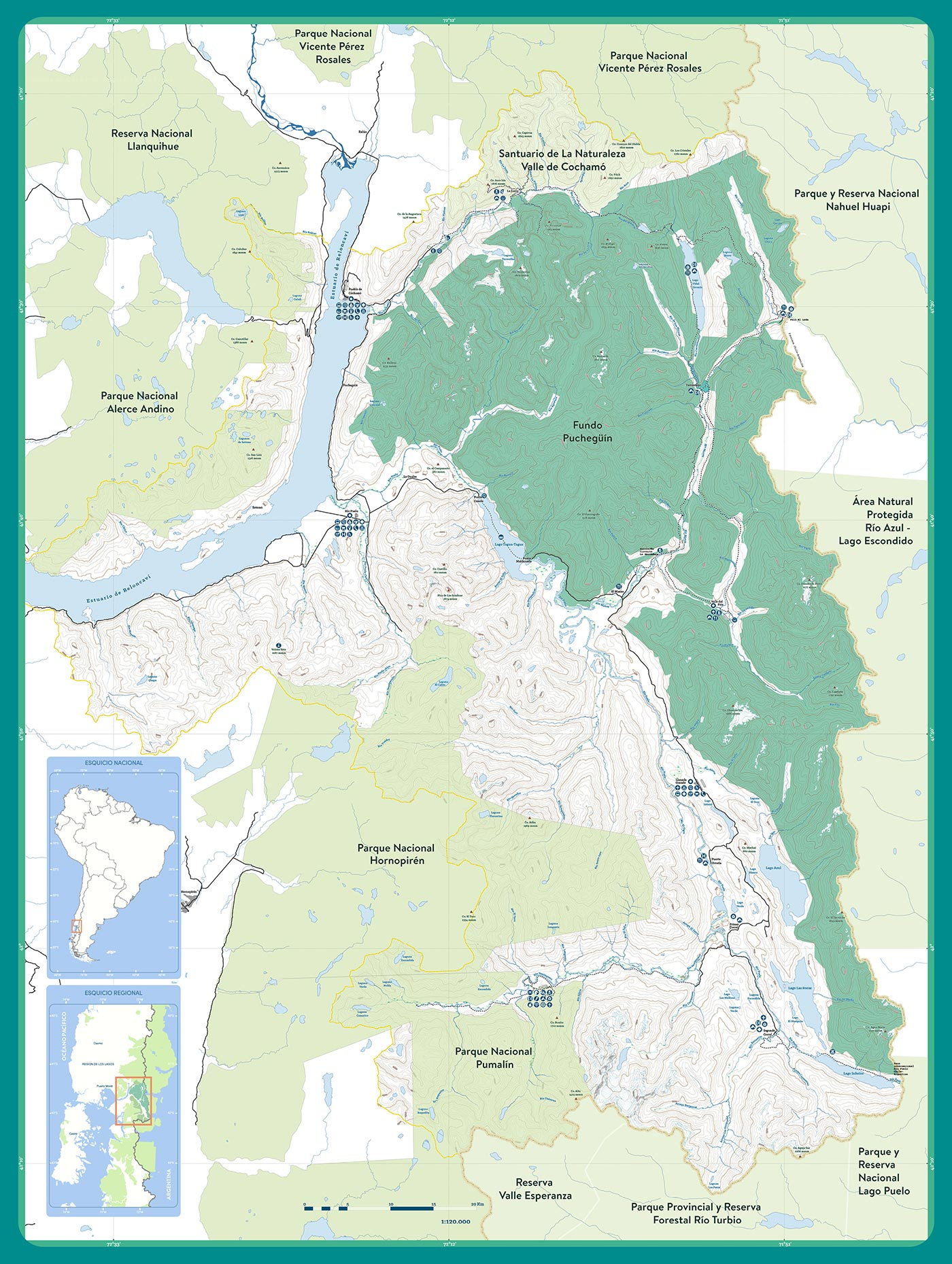
December 19, 2025 —The largest land holding in Cochamó is no longer for sale. Conserva Puchegüín, a locally driven conservation initiative comprised of multiple organizations, raised more than $78 million to purchase and support the long-term protection and effective management of Fundo Puchegüín, a 328,351-acre property of undeveloped nature in the heart of the Cochamó district in Chile’s northern Patagonia.
The purchase ends years of uncertainty over the future of Fundo Puchegüín after the previous owner put the property up for sale in 2022. Now begins a new phase of enduring protection and long-term management of the area.
With the registration process of new ownership complete, Conserva Puchegüín will work toward implementing a governance and management model with an approach that prioritizes community participation and conservation science.
“This is a historic milestone not only because of the size of the protected area, but also because of how it was achieved: with participation, transparency, and deep respect for the communities that live in Cochamó,” said Andrés Diez, executive director of Puelo Patagonia. “That is the foundation on which the next phase will be built.”
CREDITS: BENJAMIN VALENZUELA
Since its founding, the Conserva Puchegüín coalition–led by Puelo Patagonia in collaboration with The Nature Conservancy (TNC), Freyja Foundation, Patagonia, Inc. and Wyss Foundation–has taken responsibility for fundraising and ongoing technical and field work. In addition to navigating the acquisition process, the team carried out wildlife and forest monitoring, introduced tourism-management initiatives and led continuous engagement with local communities that will play a key role in the area’s future management model.
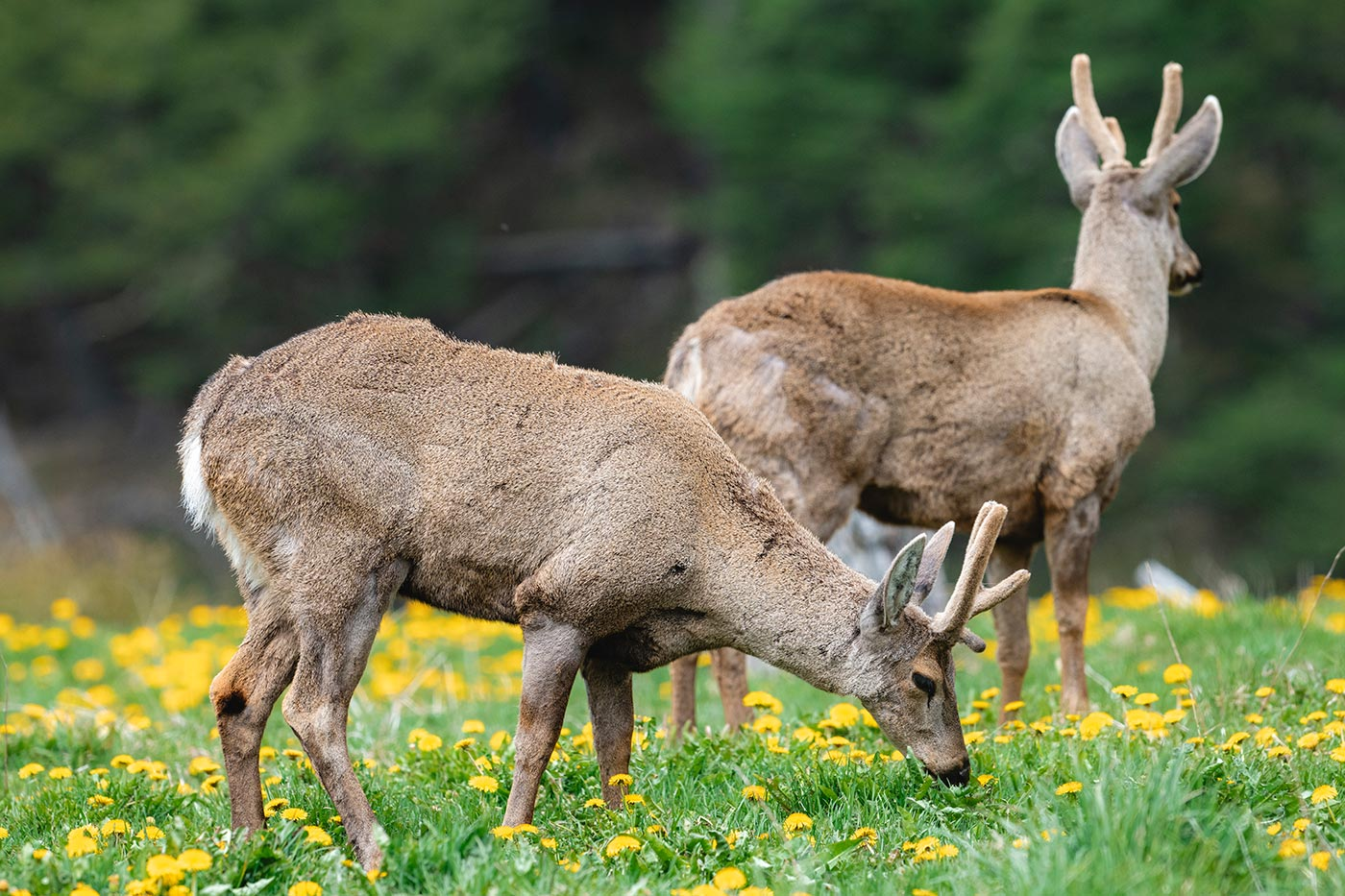
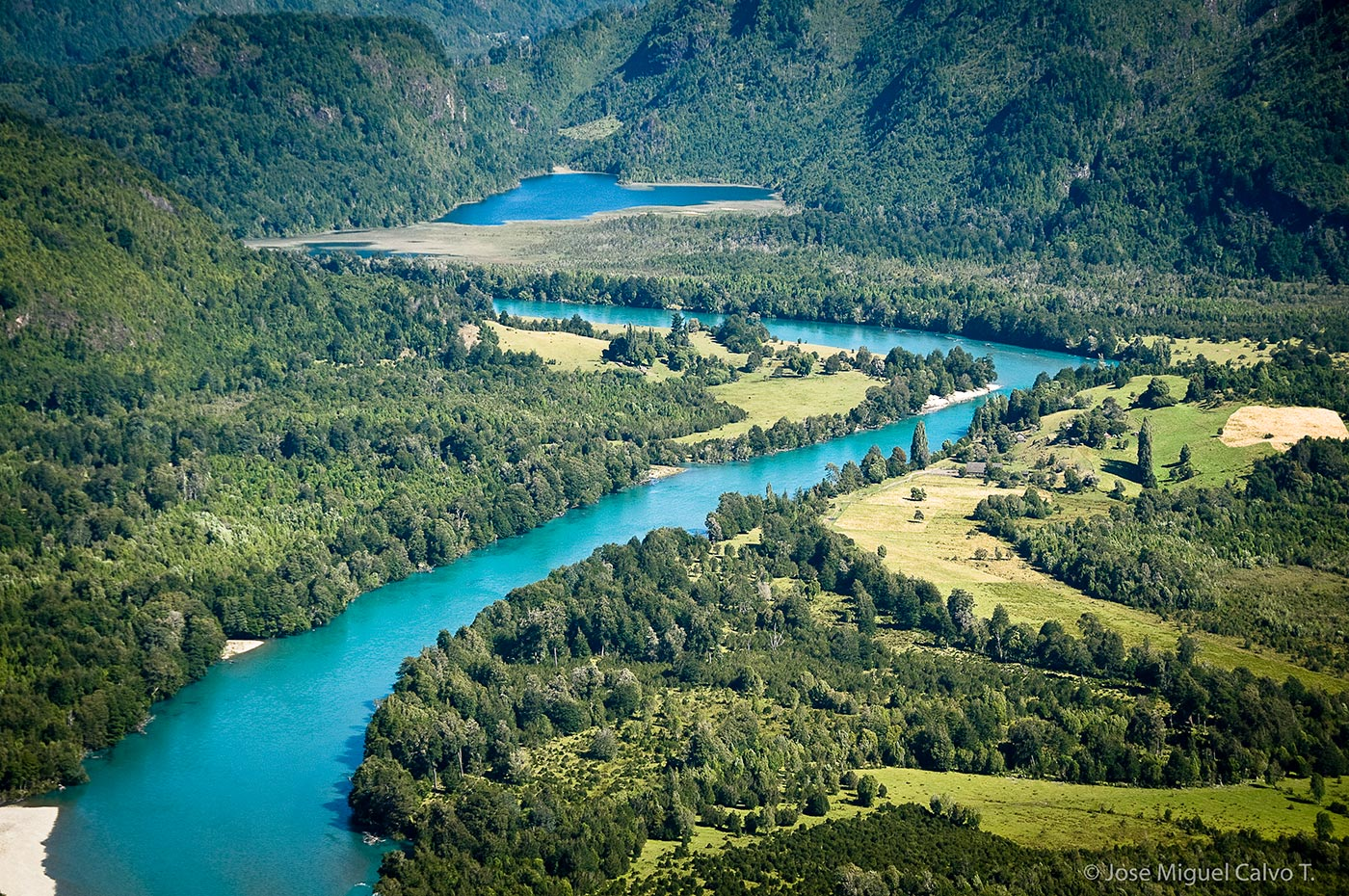
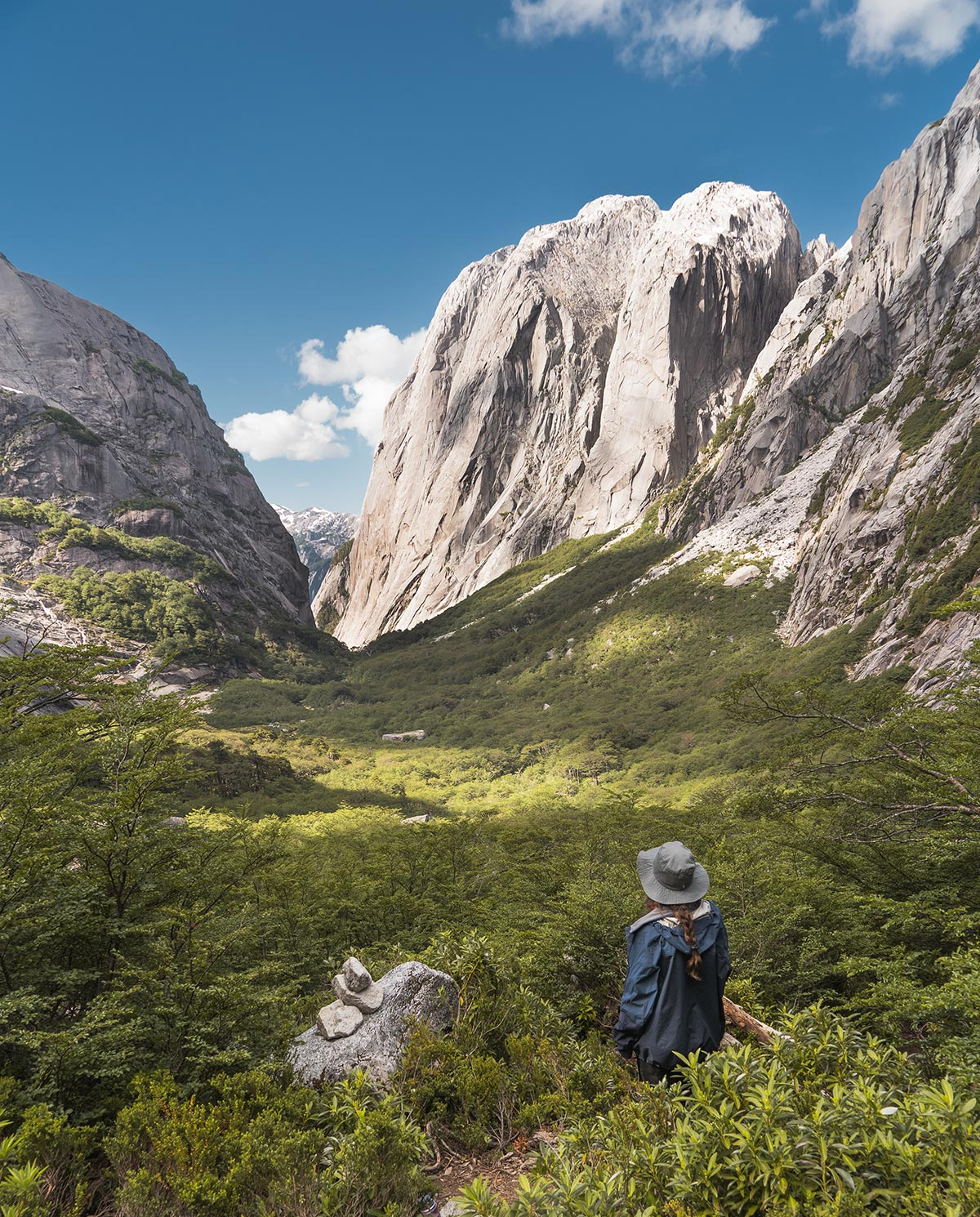
The purchased land supports extensive terrestrial and freshwater ecosystems and is home to several endangered and endemic species—from the monito del monte and the rare Darwin’s frog to the huemul deer, which appears on Chile’s national coat of arms. It is also the missing link in a 4-million-acre network of protected areas across Chile and Argentina, and it makes up a significant portion of the Puelo River watershed. Its diverse, connected habitats—rivers, forests, lakes, wetlands and glaciers—support plant and animal life, store carbon, offer climate refuges as temperatures rise, and contribute to the well-being of nearby communities.
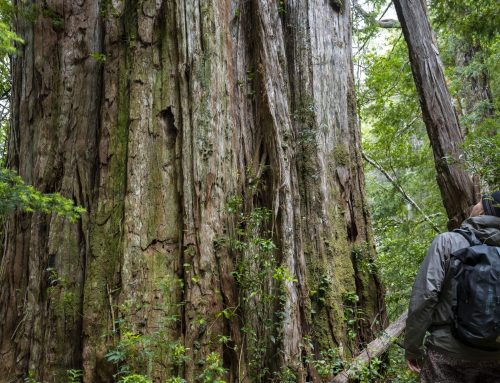
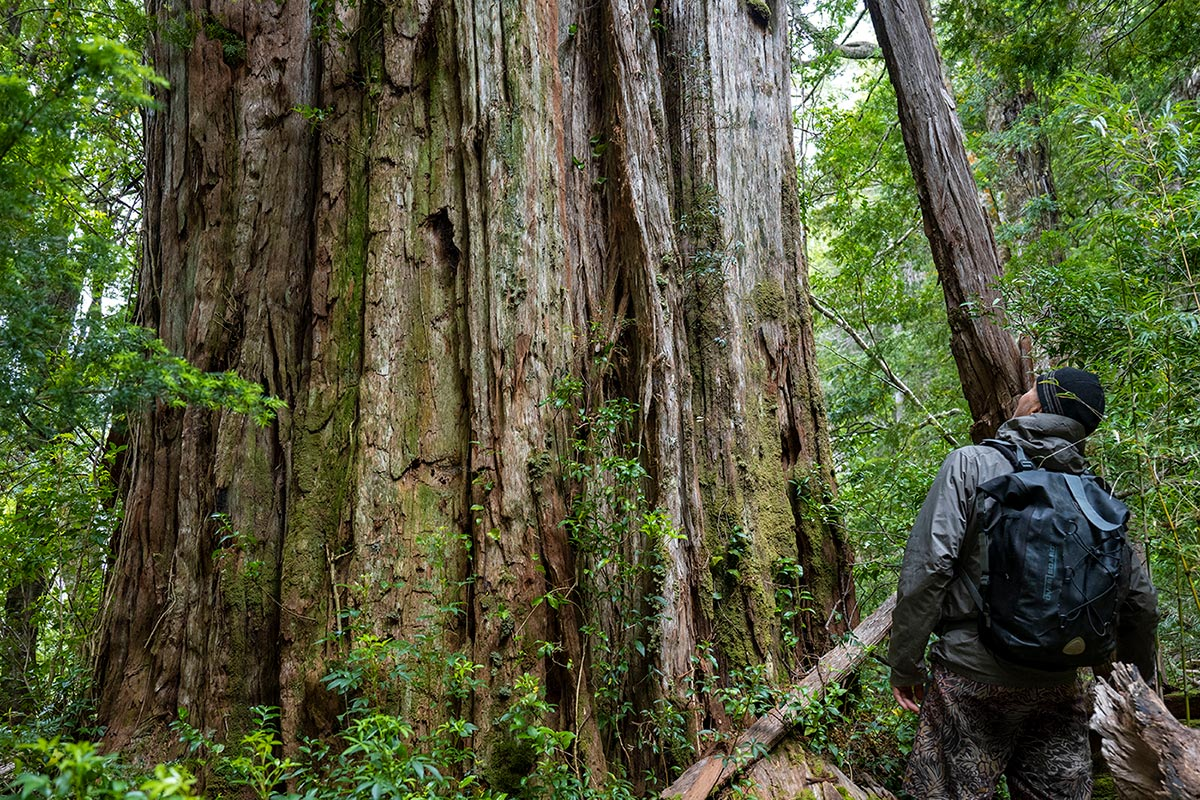
“This radical collaboration of passionate individuals and organizations large and small has come together to do something extraordinary–a real gift to our Earth and our grandchildren,” said Jeffrey Parrish, TNC’s Global Managing Director for Nature Protection. “Spectacular granite domes stand stronger, rivers run wilder, sentinel Alerce trees tower taller, and endangered species like the Huemul deer now have the freedom to roam. The Nature Conservancy is humbled to be a part of this extraordinary partnership for Chile and the people of Cochamó.”
Under the current plan, up to 20% of the area will be designated for sustainable uses (agricultural activities, low-impact tourism, etc.) and at least 80% will be under strict protection. New Chilean legislation for protected areas make it possible to establish multiple-use conservation areas in zones currently used by local communities and the area’s many visitors, for example, while the most ecologically sensitive and inaccessible areas are envisioned as a national park, ensuring protection and continuity for traditional activities in the valley.
This alliance led to the creation in August this year of the Conserva Puchegüín Foundation, a Chilean non-profit organization that is now the owner of the land and responsible for ensuring its long-term protection. The foundation has an independent board of directors that will ensure compliance with its founding principles: safeguarding the nature and culture of the area and ensuring community participation in the project.
After achieving worldwide media coverage and raising funds in record time, Conserva Puchegüín has established itself as one of the most significant conservation campaigns in recent years. It is a project born in Chile, driven locally and supported by thousands of people around the world.
Freyja Foundation President Anne Deane stated: “We first visited Cochamó in 2017, and ever since then, knew we wanted to support its long-term protection. Puelo Patagonia has defended the valley for decades, and when the opportunity arose to safeguard this region permanently, we knew it was a pivotal moment. The purchase of Puchegüín is a major conservation milestone, and we’re honored to be a part of its long-term stewardship.”
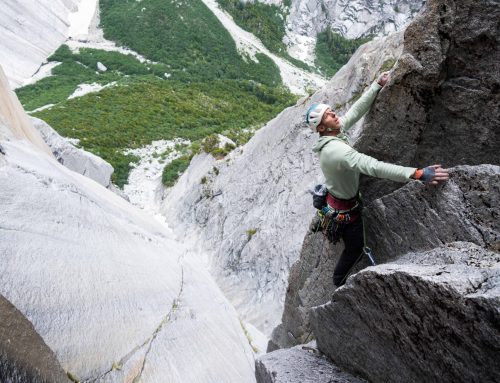
Patagonia CEO Ryan Gellert said: “This moment couldn’t have happened without the determination of local conservationists. The activists in Conserva Puchegüín are protecting this majestic place with world-class rock climbing, fly fishing, trail running and other outdoor recreation. Fundo Pucheguin will become part of a 4-million-acre swath of conservation land across Chile and Argentina — a victory for nature, people and wildlife.”
Molly McUsic, President of the Wyss Foundation said: “The Cochamó Valley is one of the most breathtaking places on Earth, and its protection is a victory for the Chilean people, wildlife, and the planet. The Wyss Foundation is honored to support the Conserva Puchegüín coalition and the numerous partners who came together to permanently preserve an area with unmatched beauty and biodiversity. This collaborative effort will help ensure future generations can experience and be inspired by this remarkable stretch of land.”
CREDITS: JOSÉ MIGUEL CALVO
This major step toward Puchegüín’s long-term protection is the result of a collective effort across Chile and the world. The funds raised have come from thousands of donors from different countries. Conserva Puchegüín would like to extend special thanks to the James M. Cox Foundation, the Wyss Foundation, Fundación Viento Sur, the Horizon Foundation, the Holdfast Collective, the Bobolink Foundation, the Alerce Fund, The Nature Conservancy, the Del Río Alamos Family, Bernardo Matte Izquierdo, Freyja Foundation, Juan Claro Gonzalez, Paola Luksic and family, Arístides Benavente, the Justiniano Briones Family and Madeline Hurtado Berger.
CRÉDITOS: MATTHEW SCOTT
The organizations that make up the alliance are Puelo Patagonia, The Nature Conservancy (TNC), Freyja Foundation, Wyss Foundation and Patagonia, Inc. Puelo Patagonia brings deep knowledge and solid experience in Cochamó, combined with a global perspective, a successful track record of large-scale conservation projects, and fundraising expertise from international organizations.
About Puelo Patagonia
It is a non-profit, territorial organization that has been working for 12 years to safeguard the natural and cultural heritage of the Cochamó commune.
Among its most important projects are securing the declaration of 11,400 hectares of the Cochamó Valley as a Nature Sanctuary; regulating mass tourism to safeguard the territory; conducting permanent monitoring of native wildlife; implementing a rural volunteer program that highlights the cultural richness of rural life; and securing legal protection for the Puelo River’s flow by declaring it a Water Reserve. For more information about Puelo Patagonia, visit www.puelopatagonia.cl or on Instagram@puelopatagonia
About Freyja Foundation
Freyja Foundation is an international private, charitable organization dedicated to developing and supporting innovative, scalable, and lasting conservation solutions that protect wild places and combat the climate crisis. Its work integrates protecting existing at-threat carbon sinks, re-establishing biodiversity, and empowering local communities. Since 2022, Freyja has been involved in protecting the Cochamó Valley by acquiring and safeguarding a key property and supporting Puelo Patagonia in the creation of the Conserva Puchegüín campaign. For more information about Freyja Foundation, visit freyjafoundation.org or @freyja_foundation.
About The Nature Conservancy (TNC)
The Nature Conservancy is a global conservation organization dedicated to conserving the lands and waters on which all life depends. Guided by science, we create innovative, on-the-ground solutions to our world’s toughest challenges so that nature and people can thrive together. We are tackling climate change, conserving lands, waters and oceans at an unprecedented scale, providing food and water sustainably and helping make cities more resilient. The Nature Conservancy is working to make a lasting difference around the world in 83 countries and territories (39 by direct conservation impact and 44 through partners) through a collaborative approach that engages local communities, governments, the private sector, and other partners. To learn more, visit nature.org or follow @nature_press on X.
Present in Chile for over 20 years, TNC conserves the Valdivian Coastal Reserve, which has invaluable natural and cultural wealth, through a co-management model with local communities. For more information about TNC’s work in Chile, visit nature.org/chile or @tnc_chile on Instagram.
About Patagonia
We’re in business to save our home planet. Founded by Yvon Chouinard in 1973, Patagonia is an outdoor apparel company based in Ventura, California. As a certified B Corporation and a founding member of 1% for the Planet, the company is recognized internationally for its product quality and environmental activism, as well as its contributions of more than $240 million to environmental organizations. Its unique ownership structure reflects that Earth is its only shareholder: Profits not reinvested back into the business are paid to Holdfast Collective to protect the planet.
About The Wyss Foundation
The Wyss Foundation is a private, charitable foundation dedicated to supporting innovative, lasting solutions that improve lives, empower communities, and strengthen connections to the land. Since its establishment in 1998, it has helped governments, Indigenous communities, and other charitable organizations protect over 40 million hectares of land and more than 3 million square kilometers of ocean. For more information about the Wyss Foundation, visit www.wyssfoundation.org or follow https://www.facebook.com/TheWyssFoundation/ on Facebook or @WyssFoundation on X.
CRÉDITOS: VALENTINA THENOUX
Related Posts